Earth Day World Map: A Visual Guide to Eco-Conscious Design
Transform your Earth Day projects from generic to geographically stunning with a design element that speaks volumes. The right visual asset doesn't just decorate a layout; it communicates a message, tells a story, and anchors your brand identity in a global context. For creators focused on environmental themes, finding a resource that is both meaningful and versatile is key to effective visual communication.
Understanding the Power of a Thematic Font
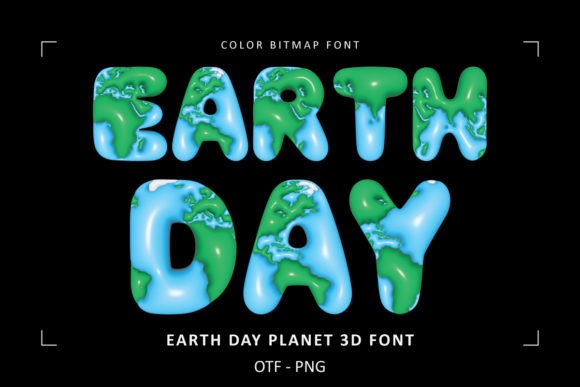
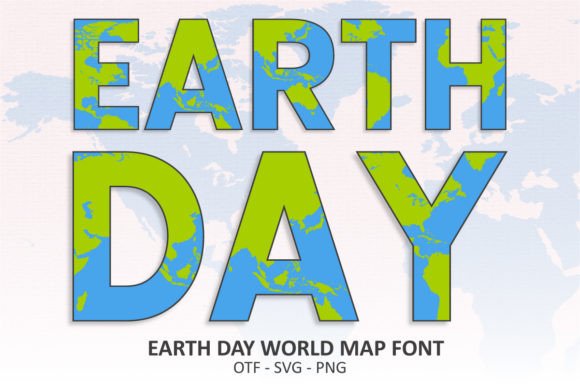
In modern graphic design, typography is far more than letters on a page. It is a fundamental component of visual hierarchy and brand personality. A specialized font, like the Earth Day World Map color font, integrates intricate imagery directly into the letterforms. Each character becomes a detailed cartographic pattern, offering a unique texture and narrative that standard typefaces cannot match. This approach aligns perfectly with current design trends that favor rich, layered, and story-driven aesthetics.
For designers, marketers, and business owners, this type of creative asset serves a dual purpose. It provides immediate visual impact while reinforcing a specific theme—in this case, global awareness and environmental stewardship. Using such a distinctive font can elevate a project's professional presentation, making it more memorable and engaging for the audience.
Practical Applications for Creative Projects
The versatility of a thematic color font allows it to be integrated across numerous design workflows, enhancing both digital and print outputs. Consider these applications for your next campaign or product line:
- Branding & Logo Design: Create a powerful, eco-focused logo or brand mark that instantly communicates global responsibility.
- Marketing Materials: Design compelling brochures, posters, and flyers for environmental campaigns, fundraisers, or educational initiatives.
- Social Media Content: Craft scroll-stopping graphics for Instagram posts, Facebook banners, and Twitter headers that boost engagement.
- Website & UI Design: Use stylized headlines or accent text on landing pages dedicated to sustainability, travel, or world culture.
- Editorial Layouts: Add visual interest to magazine spreads, blog headers, or report covers related to geography, ecology, or international news.
- Packaging Design: Develop unique product labels or boxes for eco-friendly goods, artisanal products, or global food items.
- Merchandise: Apply the font to t-shirts, mugs, tote bags, and stationery for a cohesive and marketable product line.
Integrating Assets with Your Design Workflow
When incorporating a new asset like the Earth Day World Map font, thoughtful evaluation ensures it enhances rather than overwhelms your project. Always consider the following factors to maintain a polished and professional result:
- Compatibility & Scalability: Verify that the file format (OTF/TTF) works with your software. Note that the vibrant color version is designed for advanced programs like Adobe Illustrator, Photoshop, and Silhouette, while the black version offers broader compatibility, including with cutting machines like Cricut. Always check scalability to ensure patterns remain crisp at any size.
- Visual Hierarchy & Readability: Use such a detailed font strategically. It is often most effective for headlines, logos, or short phrases where its intricate patterns can be appreciated without compromising legibility. Pair it with a simple, clean sans-serif or serif font for body text to create balance.
- Color Palette & Composition: The font’s inherent color map pattern is a statement. Build your surrounding color palette to complement it, either by pulling hues from the map itself or using neutral tones to let the typography shine.
- Audience & Context: Ensure the visual style aligns with your audience's expectations and the project's goals. A map-patterned font conveys specific themes of exploration, unity, and nature, making it ideal for certain contexts but potentially mismatched for others.
By treating typography as a core component of your visual design strategy, you move beyond mere decoration to meaningful communication. High-quality, thematic assets like this provide a foundation for creative projects that are not only visually striking but also deeply connected to their message. Thoughtful selection and application of such resources are what separate good design from truly great, impactful work.