Easter Bunny Design: Whimsy, Typography, and Visual Impact
The charming silhouette of the Easter Bunny offers more than just seasonal delight; it presents a masterclass in visual storytelling for designers. Capturing the essence of this character requires a delicate balance between playfulness and professionalism, transforming a simple holiday motif into a powerful tool for engagement. Whether you are crafting a logo for a boutique bakery or designing a seasonal social media campaign, the visual language surrounding the Easter Bunny provides rich opportunities to explore whimsical aesthetics while maintaining high design standards.
The Role of Whimsy in Modern Graphic Design
In the realm of graphic design, whimsy serves a specific function: it disarms the viewer and invites emotional connection. The Easter Bunny archetype is a prime example of how playful imagery can soften a brand's identity without compromising its authority. This approach is particularly effective in industries such as confectionery, child care, education, and lifestyle branding. By utilizing rounded shapes, soft textures, and dynamic poses, designers can evoke a sense of joy and approachability. This visual strategy helps brands stand out in a saturated market by prioritizing warmth and relatability over rigid corporate structures.
Typography and Visual Communication
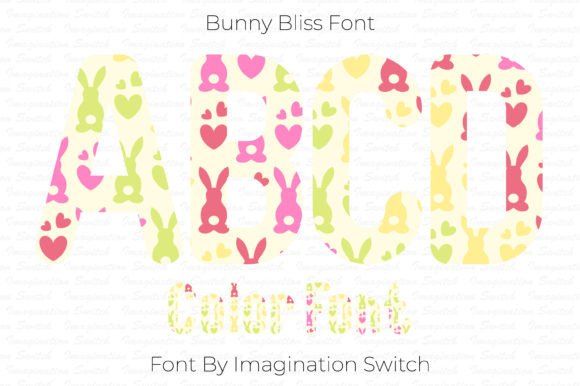
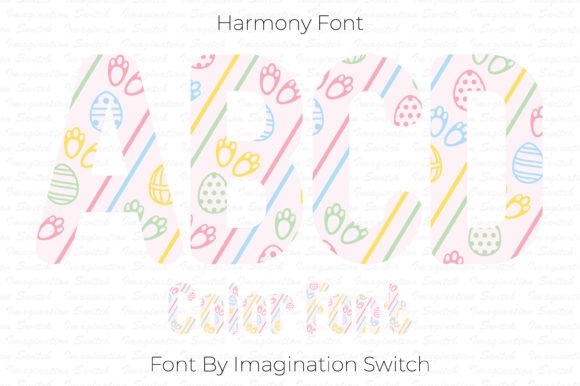
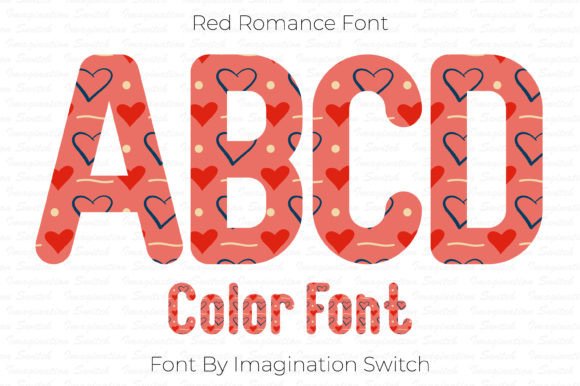
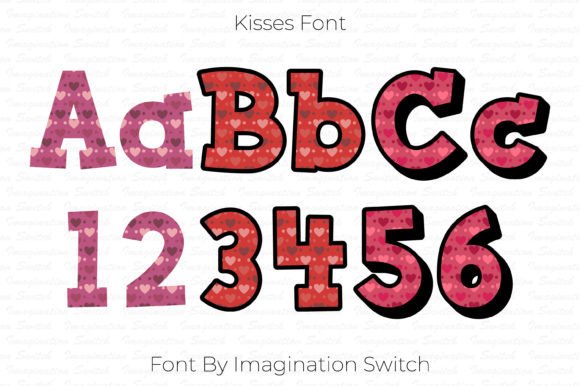
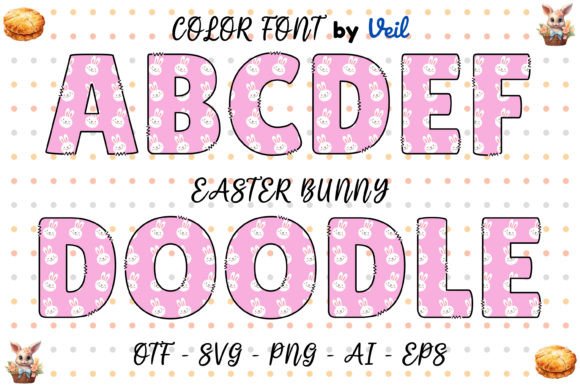
A critical component of this design style is typography. Fonts used to accompany Easter Bunny themes or other whimsical subjects must align with the playful nature of the imagery. These typefaces are often utilized in designs that aim to convey an artistic feel, such as children’s books, posters, invitations, and greeting cards. Selecting the right font ensures that the text complements the visual hierarchy rather than competing with it. For instance, a script font with irregular baselines can mimic the hop of a bunny, adding kinetic energy to a static page. However, legibility remains paramount; the chosen typeface must be easy to read to create an engaging experience for young audiences and adults alike.
When integrating these elements into broader projects, consider the following applications:
- Brand Identity: Use whimsical illustrations to create a memorable mascot that humanizes the brand.
- Packaging Design: Employ playful typography to highlight product features and attract attention on crowded shelves.
- Web and UI Design: Incorporate subtle animations or custom icons to improve user experience and delight visitors.
- Editorial Layouts: Balance artistic fonts with clean body text to maintain readability while establishing a distinct mood.
Practical Tips for Creative Assets
To effectively utilize these design assets, professionals must evaluate their compatibility with existing brand systems. Consistency is key; a whimsical Easter Bunny graphic should not clash with a minimalist color palette or a formal corporate voice. Instead, look for assets that can be adapted—perhaps by using a monochromatic version of a colorful illustration or pairing a playful display font with a neutral sans-serif for body text. Scalability is another vital factor. Ensure that illustrations and typography maintain their integrity across various formats, from large-scale print materials like posters and banners to small digital touchpoints like mobile app icons.
Furthermore, the success of these creative projects relies on understanding audience expectations. A design targeting parents might focus on nostalgia and safety, utilizing soft pastels and rounded edges, while a design for a trendy teen brand might use bolder colors and graffiti-style fonts. By analyzing the specific context of the design goal, creators can ensure that the whimsical elements serve a strategic purpose rather than merely decorating the space.
Ultimately, the thoughtful application of playful design elements like the Easter Bunny demonstrates a designer's ability to control tone and emotion. It proves that professional presentation does not always mean rigid and serious; it can be vibrant, engaging, and full of character. By carefully selecting high-quality creative assets and maintaining a strong visual hierarchy, designers can elevate their work, ensuring that it not only captures attention but also communicates the intended message with clarity and charm.