The Pineapple Font: A Playful Design Asset for Creative Projects
Understanding the Pineapple Design Element
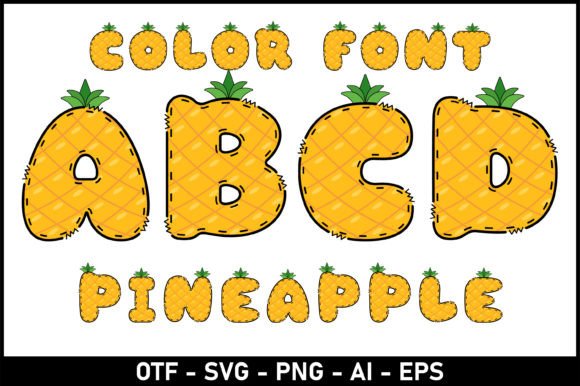
In the world of graphic design, the right creative asset can transform a project from ordinary to extraordinary. The Pineapple font is a perfect example, offering a vibrant and whimsical typeface that injects personality into any visual composition. Its playful aesthetic is not just decorative; it's a strategic tool for conveying specific emotions and messages, making it invaluable for designers, marketers, and creators aiming for a friendly, engaging, and artistic feel.
This font is often used in designs that aim to convey a playful or artistic feel, such as children’s books, posters, invitations, greeting cards, and more. For instance, children’s books often utilize fonts that are whimsical, colorful, and easy to read, creating an engaging reading experience for young audiences. The Pineapple font excels in this context, balancing charm with clarity to support effective visual communication and strengthen brand identity for products targeting families or creative markets.
Practical Applications for Modern Design
Integrating a distinctive typeface like Pineapple across various design projects can significantly enhance user engagement and brand recognition. Its unique character supports a cohesive visual language, which is essential for professional presentation and memorable branding.
- Branding and Logo Design: Use the Pineapple font to create logos and brand marks for businesses that want to appear approachable, fun, and creative, such as bakeries, toy stores, or educational apps.
- Marketing Materials: Elevate flyers, brochures, and digital ads with headings that capture attention and convey a light-hearted, inviting tone.
- Social Media Content: Craft Instagram stories, Pinterest graphics, and Facebook posts with text that stands out, improving engagement and shareability.
- Website and UI Design: Apply the font selectively for call-to-action buttons, hero text, or section headers on sites aimed at a youthful or artistic audience to enhance user experience (UX) without compromising readability.
- Packaging Design: Make product packaging pop on the shelf, especially for food items, cosmetics, or lifestyle goods targeting a modern, vibrant demographic.
- Editorial Layouts: Add flair to magazine headlines, blog graphics, or book titles to draw readers in and establish a distinct editorial voice.
Tips for Effective Typography Integration
When incorporating a specialty font like Pineapple, thoughtful application is key to maintaining design integrity and achieving your goals. Always consider your audience expectations and the overall design workflow.
- Prioritize Readability and Hierarchy: Use the font for display purposes—titles, logos, or short bursts of text. Pair it with a clean, neutral sans-serif for body copy to ensure readability and establish a clear visual hierarchy.
- Ensure Compatibility: Be mindful of technical specifications. The black version of this font is compatible with Cricut Design Space and other cutting machines, making it ideal for DIY and print-on-demand projects. Note! The color version of this font is only compatible with certain design programs incl. PhotoShop, Illustrator, Silhouette, and Inkscape. The OTF and/or TTF files of the color version are not compatible with Cricut. For more information on how to use this type of font, please check our Ultimate Font Guide.
- Align with Brand Strategy: Evaluate if the font's playful personality aligns with your brand's core message. Consistency across all touchpoints, from digital marketing to print design, is crucial for building a strong brand identity.
- Test Across Platforms: Preview your designs on various devices and in print to ensure the font renders correctly and maintains its impact within your chosen color palette and composition.
Ultimately, selecting the right creative assets is about more than just aesthetics; it's about effective communication. A thoughtfully chosen typeface like Pineapple can elevate a project, making it more engaging and visually cohesive. By understanding its applications and integrating it strategically, designers and creators can produce work that not only looks polished but also resonates deeply with their intended audience, turning simple designs into compelling visual stories.