Mermaid: The Cool, Cute Color Font for Modern Design
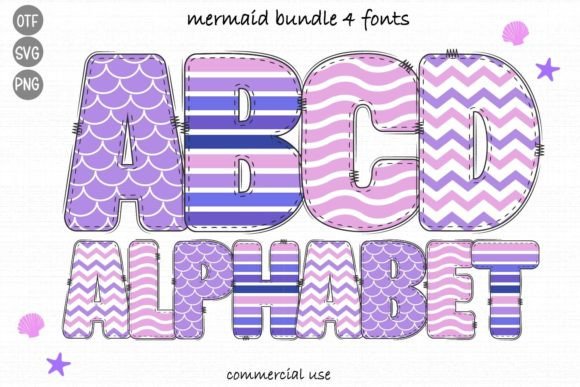
In the world of visual design, a single element can transform a project from ordinary to unforgettable. Enter Mermaid, a cool and cute-looking color font that injects immediate youth and joy into any composition. This isn't just a typeface; it's a vibrant design asset built for modern digital and print workflows. Unlike traditional fonts, Mermaid is a color font (also known as a chromatic font), meaning each character contains multiple colors, gradients, and intricate details right out of the box. This innovation allows designers to achieve complex, eye-catching typography without needing to manually add effects or layering, streamlining the creative process significantly.
Why Color Typography Matters in Modern Graphic Design
Typography is a cornerstone of visual communication, and the evolution into color fonts like Mermaid addresses a key demand in branding and marketing: standing out in a saturated visual landscape. A strong brand identity relies on distinctive elements, and a unique color font can become a signature component of a logo design or headline style. For designers and creators, Mermaid offers a way to immediately convey a specific tone—playful, youthful, and energetic—through typography alone. This can be crucial for projects targeting younger demographics or brands that want to project approachability and fun.
Practical Applications for Your Creative Projects
The true value of a creative asset like Mermaid lies in its versatility. Its built-in color and playful aesthetic make it suitable for a wide array of applications where a touch of whimsy is needed. Consider integrating it into your design workflow for:
- Branding & Logo Design: Use Mermaid for logotypes or brand marks for businesses in children's products, entertainment, or lifestyle sectors. It can make a brand instantly memorable.
- Marketing Materials: From flyers and posters to digital ads, Mermaid commands attention in headlines and call-to-action text, improving user engagement.
- Social Media Graphics: Create scroll-stopping Instagram stories, Facebook posts, or YouTube thumbnails. Its vibrant nature boosts visual hierarchy and shareability.
- Web & UI Design: Strategically apply it to hero sections, banner text, or button labels in web design to add personality. Always pair it with a highly readable, neutral font for body text to maintain UX design best practices.
- Packaging & Merchandise: Stand out on shelves or in online stores. Mermaid is perfect for product names on packaging design for toys, snacks, or party supplies.
- Event & Editorial Design: Add a festive touch to party invitations, swimming gatherings, newsletters, or magazine layouts targeting a youthful audience.
Tips for Effective Implementation
To leverage Mermaid effectively while maintaining a professional presentation, keep these graphic design principles in mind:
- Prioritize Readability: Color fonts are best used for headlines, short phrases, or decorative elements. Avoid using them for long paragraphs where readability could suffer. Always test at various sizes.
- Ensure Compatibility: While color fonts are widely supported in modern software, confirm compatibility with your specific design tools (like Adobe Photoshop, Illustrator, or Figma) and output formats (PDF, SVG, PNG).
- Balance Your Color Palette: Since Mermaid has its own colors, ensure it harmonizes with your overall design scheme. Use its colors to pull accent shades for other elements, creating visual cohesion.
- Consider Scalability: Vector-based color fonts scale beautifully, but test how the intricate details render at very small sizes on screens or in print.
Ultimately, thoughtful design is about choosing the right tools to communicate a message effectively and evoke the desired emotion. Incorporating a specialized asset like Mermaid demonstrates an understanding of current design trends and a commitment to creating engaging, high-quality visuals. By selecting creative resources that align with your project's goals and audience expectations, you enhance both the aesthetic appeal and the communicative power of your work, ensuring your designs are not only seen but truly felt.