Heart: A Charming Color Font for Creative Design
Imagine a typeface that doesn’t just convey words, but also embodies a specific emotion and visual theme. This is the power of a well-crafted color font like Heart. In the ever-evolving landscape of graphic design and visual communication, typography has moved beyond simple black-and-white letterforms. Today, designers leverage specialized assets to create immediate impact, tell richer stories, and establish stronger brand identities. A decorative color font serves as a complete creative package, blending typography, illustration, and color theory into a single, expressive element that can transform a project from ordinary to extraordinary.
Understanding the Role of Decorative Typography
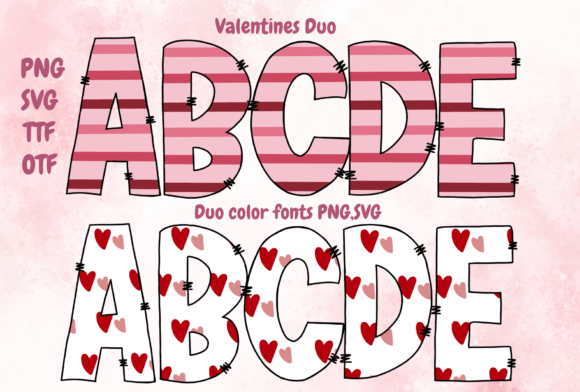
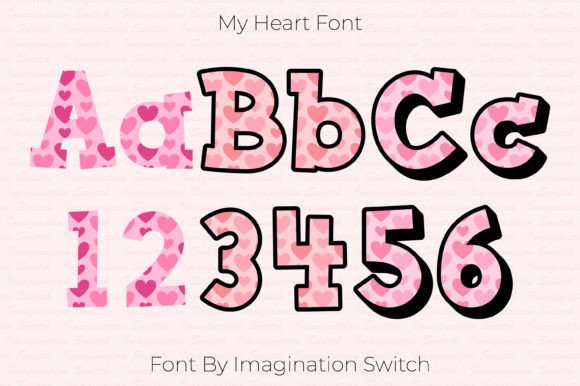
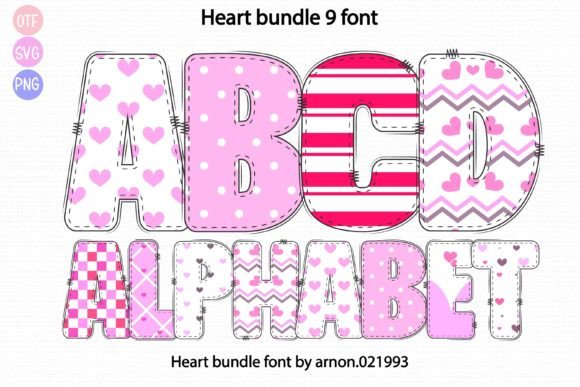
Modern design trends celebrate personality and authenticity. While clean sans-serifs and classic serifs form the backbone of professional layouts, expressive display fonts are essential for capturing attention in crowded visual spaces. A hand-drawn font like Heart introduces organic textures and bespoke character that digital tools often lack. Its letters, filled with patterns reminiscent of the day of love, offer a unique solution for projects requiring warmth, whimsy, and a touch of romance. This makes it an invaluable asset for seasonal campaigns, event branding, and any creative project aiming to evoke a specific, heartfelt aesthetic.
Practical Applications for Maximum Impact
The versatility of a themed color font allows it to shine across numerous design disciplines. Its primary strength lies in its ability to instantly set a mood, making it a strategic choice for targeted visual communication. Consider integrating this style of typography into:
- Branding and Logo Design: Create distinctive logos or sub-marks for businesses in the wedding, bakery, gift, or lifestyle sectors. The unique letterforms ensure brand recognition and communicate core values at a glance.
- Marketing Materials: Design eye-catching headlines for flyers, posters, and digital ads for Valentine’s promotions, anniversaries, or boutique sales. The built-in color palette simplifies the design workflow.
- Social Media Content: Craft scroll-stopping graphics for Instagram stories, Pinterest pins, or Facebook headers. The cute, patterned style is highly shareable and enhances user engagement.
- Packaging and Merchandise: Apply the font to product labels, stickers, tote bags, or greeting cards. It adds a premium, artisanal feel that can elevate perceived product value.
- Digital Products and UI Elements: Use it for special holiday-themed website banners, app splash screens, or digital invitation templates to create a memorable user experience.
Integrating a Color Font into Your Design Workflow
Effectively using a specialized font requires more than just installation; it demands thoughtful integration into your overall design system. To maintain visual hierarchy and readability, pair a decorative font like Heart with a simple, neutral typeface for body copy. This contrast ensures your message remains clear while the display font delivers visual flair. Always consider your target audience’s expectations and the project’s primary goal—is it to inform, delight, or persuade?
Compatibility is a crucial technical consideration. While the black version of such fonts often works with cutting machines like Cricut for physical craft projects, the full-color version typically requires professional design software. Programs like Adobe Photoshop, Illustrator, and Silhouette Studio support the advanced OpenType features and color data needed to render the patterns correctly. Always verify file formats (OTF/TTF) against your software’s capabilities to ensure a smooth creative process and avoid workflow disruptions.
Elevating Projects with Thoughtful Design Assets
In a competitive market, the details make the difference. Selecting the right creative assets—from imagery to typography—is a fundamental part of the design process that directly influences brand perception and communication efficacy. A beautifully designed color font is more than a decorative element; it is a tool for storytelling. By choosing assets that align with your brand’s voice and your project’s objectives, you build a cohesive visual narrative that resonates with your audience. Investing in high-quality, purpose-driven design resources ultimately saves time, enhances professionalism, and ensures your creative work leaves a lasting, polished impression.